
Knowledge management
The institutional knowledge inside your company is intangible, yet hugely valuable
Often, the problem is not a lack of information; it is that the information you already have goes unused
Hundreds of reports, contracts, records and guides; years of work buried, forgotten, scattered across folders
The result:
- Endless searches
- Precedents that no one can find
- Patterns that go unnoticed
- Knowledge lost when someone leaves

The solution
Generative artificial intelligence, built on large language models, now makes it possible to manage information and knowledge efficiently. At iAutomator we build two complementary layers that can be deployed separately, together or in phases:
1. Retrieval-augmented generation (RAG) layer
It lets the agent search, read and answer across your entire document base, even when you have hundreds of documents
2. Institutional-memory layer
It lets you accumulate, capitalise on and reuse knowledge
Finding information lets you answer one question; capitalising knowledge gets you a better answer on the next question

Retrieval and generation layer
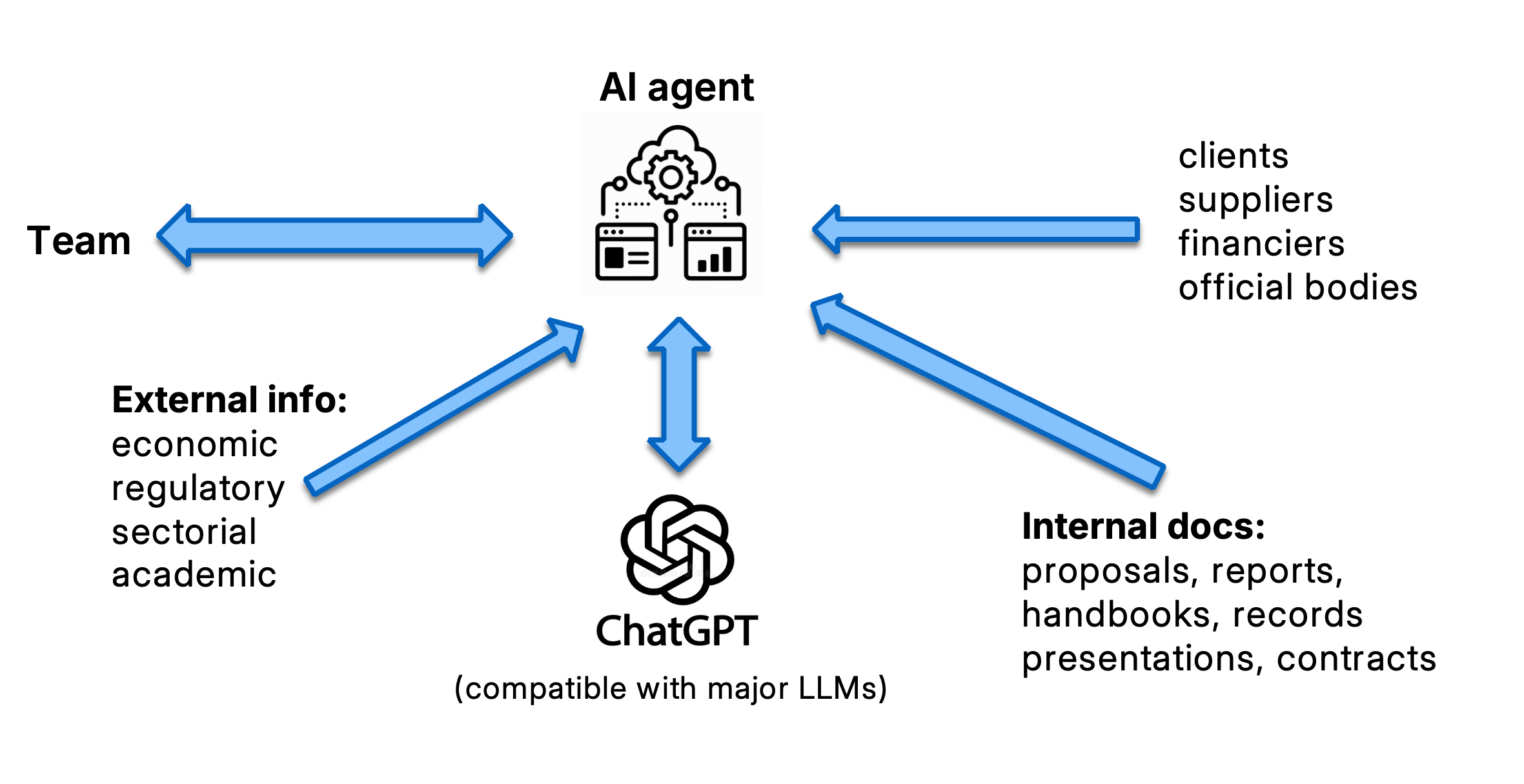
It centralises all internal and external information in the agent's knowledge base to answer the team's questions:
- Finds specific data in seconds
- Avoids cumbersome searches and boring reads
- Enriches internal data with external data
- Uncovers hidden patterns in the data
- Answers with traceability back to the original source
The RAG layer acts as your private Google and ChatGPT, pulling the information you need from thousands of pages of documents so that it can be processed with the most advanced AI
Institutional-memory layer
The trouble with the RAG layer is that it answers and forgets; every query starts from scratch
- It does not build on work already done
- Insights from earlier analysis go to waste
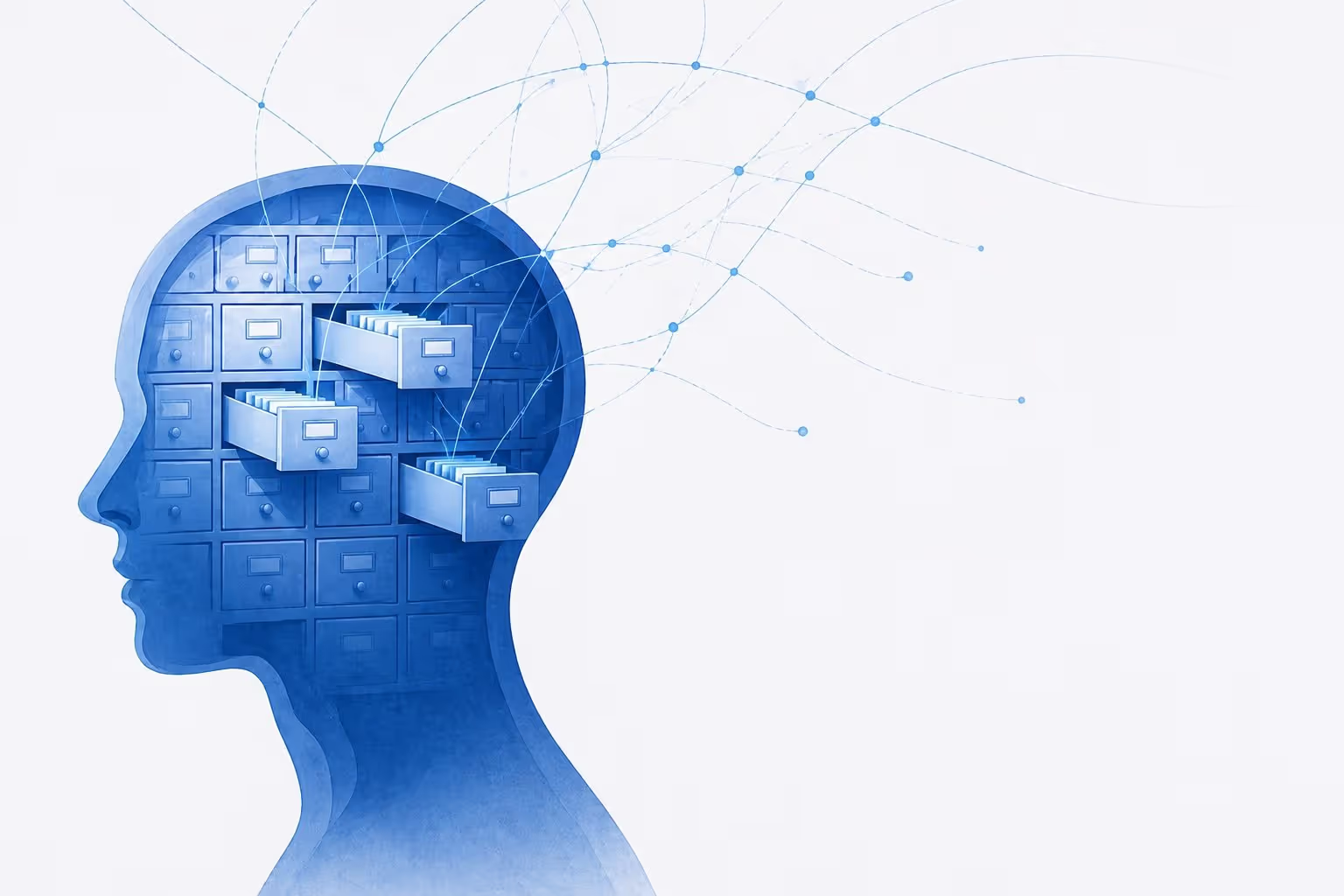
- There is no collective memory for the company; memory depends on each individual
The solution
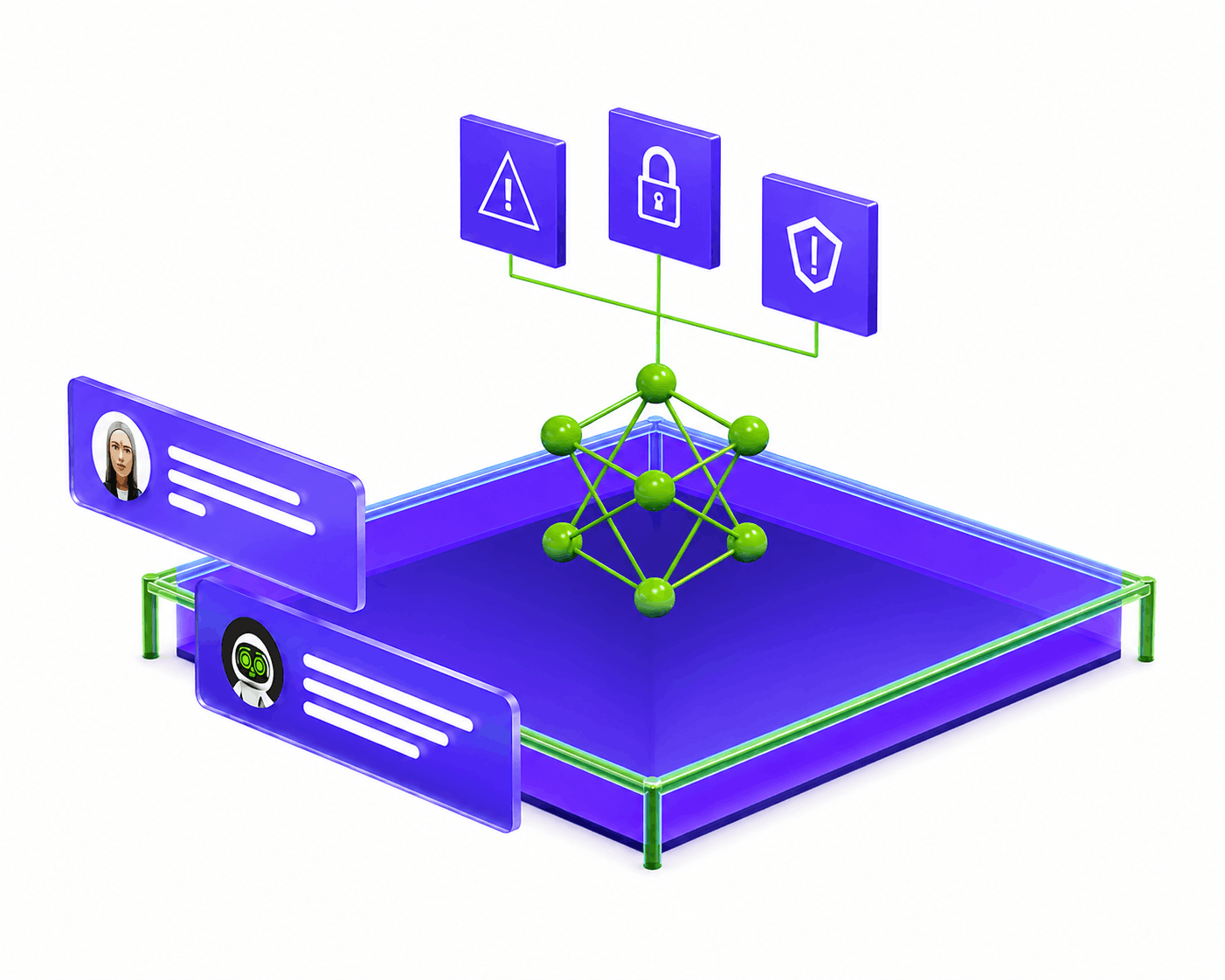
The solution is an institutional-memory layer that your agent maintains as an internal wiki:
- Keeps pages on clients, markets, processes and trends
- Integrates each new document with existing precedents in your document base
- Detects contradictions, reinforcements and changes in existing knowledge
- Maintains indices, a glossary and relationship maps
This is how you accumulate and capitalise knowledge: each answer improves the next