Companies accumulate years of valuable data trapped in inaccessible formats: PDFs of proposals, forgotten spreadsheets, research known only to the person who conducted it...

Invisible to the organization, this dispersed data has a lot of value; a value that multiplies when it is combined and enriched with external data and processed with the most advanced artificial intelligence.

Proprietable/ internal data: Billing data, inventory, returns, logistical data, corporate customer data and feedback, web traffic, correlation data and much more

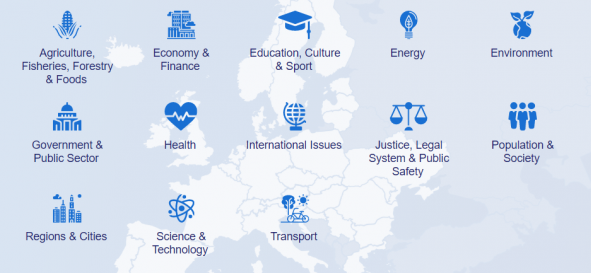
Public/ external data: Open official data, paid commercial data, sectoral or macroeconomic data, commercial or cadastral records, geospatial data, academic studies, bespoke studies from consulting firms...
You no longer have to be a large multinational to take advantage of this data

The most underused resource is data

How does artificial intelligence extract value from data?

The law also drives the growing data economy

Law/Directive

Open Data Directive (EU, 2019)
Data Strategy (EU, 2020)
Data Governance Act (EU, 2022)
Digital Markets Act (EU, 2022)
Create and Grow Act (Spain, 2022)
Digital Services Act (EU, 2022)
Data Act (EU, 2024)

Legislative purpose

Reuse of data from public entities
Boosting single market for data
Regulates data exchange
Forces digital platforms to share data
Promotes digitalization and access to data
To boost the sharing of algorithms and user data
To facilitate access to data generated by IoT

Benefits for SMEs

Makes thousands of data sets available
Encourages reuse of free public data and datasets
Provides secure access to sensitive data
Improved access to data from Big Tech, eg.: Google/ Meta
Increased sharing of data in financial ecosystems
Increased availability of data on digital trends
Increased availability of data, removal of Big Tech barriers
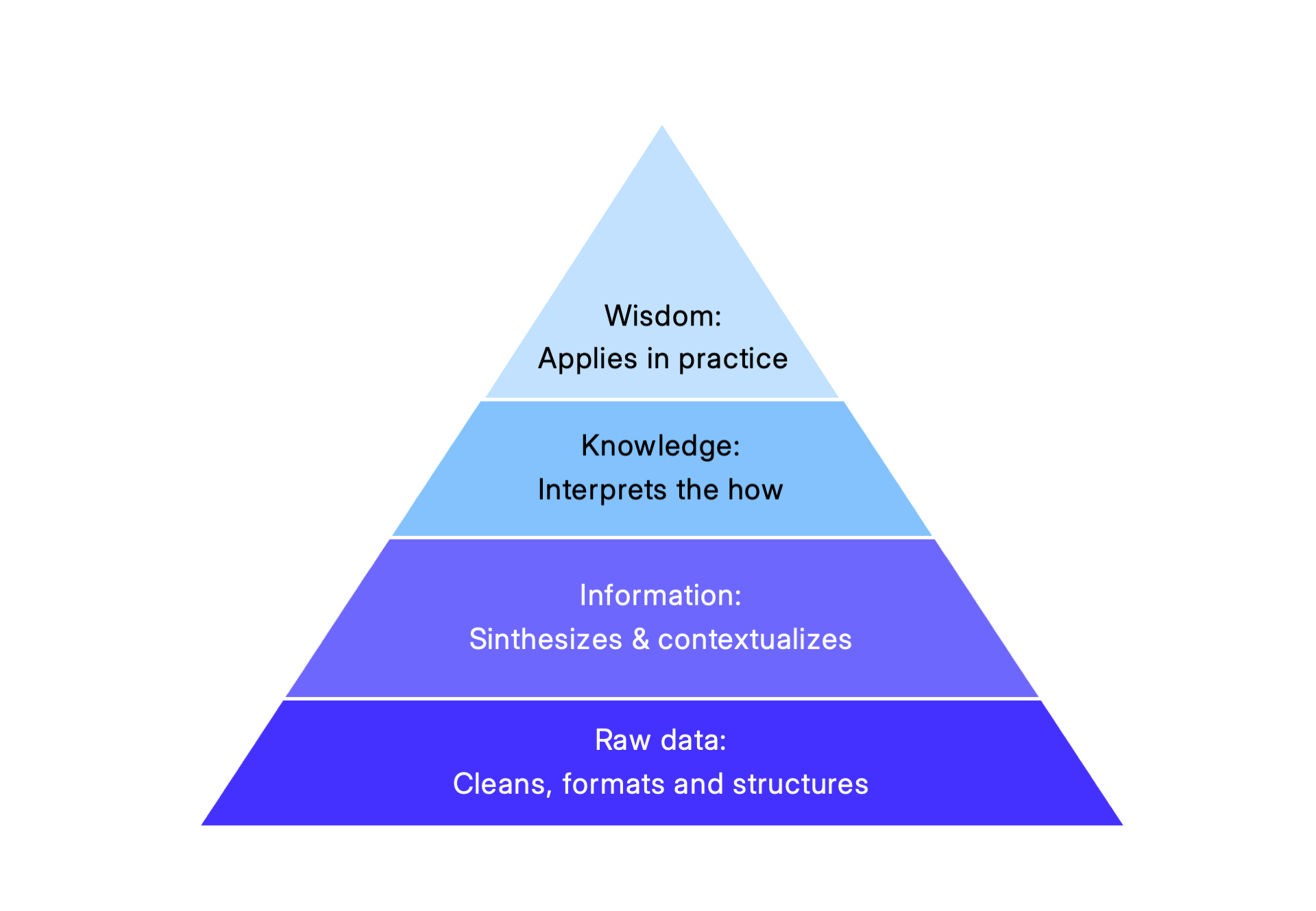
Don't forget the importance of quality and context

Obviously, the quantity, quality and relevance of the data determine the results that an artificial intelligence system can produce
Less obvious, but almost as important is contextualization:
Context is the guiding thread that transforms mere streams of data into coherent, reliable and actionable narratives.        
Without appropriate context, AI operates in a probabilistic vacuum — and its reliability suffers